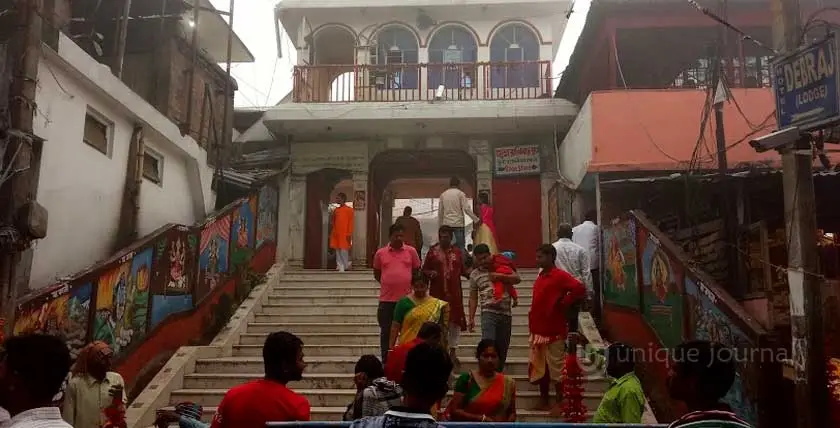
Bhavishya Badri Temple, Subhai Village, Chamoli Uttarakhand – Story, History, Trek & Travel Guide
Bhavishya Badri, meaning “Future Badrinath,” is one of the sacred Panch Badri temples of Uttarakhand, dedicated to Lord Vishnu. Hidden among the peaceful forests of the Garhwal Himalayas near Subhai village in Chamoli district, this ancient shrine offers a unique spiritual experience away from the crowded pilgrimage centres.
Located at an altitude of approximately 2,744 metres, Bhavishya Badri is surrounded by Himalayan forests, mountain landscapes and the peaceful atmosphere of the Garhwal Himalayas. The temple is situated roughly 17–19 kilometres from Joshimath, depending on the route and point of measurement.
For devotees and travellers, the journey to Bhavishya Badri is as important as the destination itself.
Where Is Bhavishya Badri Temple?
Bhavishya Badri Temple is located near Subhai (Subain) village in Chamoli district, Uttarakhand.
The temple lies in the Himalayan region east of Joshimath (Jyotirmath), towards the Niti Valley and Tapovan area. The surrounding landscape is characterised by steep mountain slopes, dense forests and dramatic Himalayan scenery.
The relative isolation of the temple gives Bhavishya Badri a special spiritual character. Away from busy pilgrimage routes, visitors can experience the silence of the mountains and the natural beauty surrounding the shrine.
📍 Bhavishya Badri Location
- Village: Subhai / Subain
- District: Chamoli
- State: Uttarakhand, India
- Altitude: Approximately 2,744 metres
- Nearest major town: Joshimath / Jyotirmath
Why Is Bhavishya Badri Called “Future Badrinath”?
The name Bhavishya Badri comes from the traditional belief that this sacred place will become the future seat of Lord Badrinath.
Bhavishya Badri is an important part of the Panch Badri tradition, a group of five important Vishnu temples in the Himalayan region of Uttarakhand.
The Panch Badri Temples
- Badrinath
- Yogadhyan Badri
- Bhavishya Badri
- Vridha Badri
- Adi Badri
Among these sacred shrines, Bhavishya Badri is particularly fascinating because of the prophecy associated with its future significance.
The Mythological Story of Bhavishya Badri
According to traditional Hindu belief, the story of Bhavishya Badri is connected with the future of Badrinath Dham.
Texts and traditions including the Skanda Purana and Sanat Kumara Samhita are associated with the prophecy that Bhavishya Badri will eventually become the future abode of Lord Badrinath.
One popular version of the legend connects this prophecy with the Narasimha Temple at Joshimath.
According to traditional belief, the arm of the Narasimha idol will gradually become thinner. When the arm eventually breaks, it is said that a major transformation will occur in the Himalayan landscape.
The sacred mountain peaks known as Jaya and Vijaya, associated with the region around Vishnuprayag, are traditionally believed to eventually collapse and block the route leading towards the present Badrinath shrine.
As a result, the traditional prophecy says that the present route to Badrinath would become inaccessible.
The traditional belief says that Lord Vishnu will then be worshipped at Bhavishya Badri, which will become the future Badrinath.
Note: These events belong to Hindu religious tradition and mythology and should be understood as matters of faith rather than scientifically established predictions.
Bhavishya Badri and Lord Vishnu
Bhavishya Badri is dedicated to Lord Vishnu, the preserver in Hindu tradition.
The peaceful environment of the shrine makes the temple particularly suited to meditation and devotional worship. Surrounded by forests and mountains, the temple feels far removed from the noise and activity of modern life.
For many pilgrims, reaching Bhavishya Badri is not simply a sightseeing trip. It is a spiritual journey through the Himalayan landscape.
The Journey from Joshimath
For travellers approaching Bhavishya Badri, Joshimath is an important starting point.
From Joshimath, the journey continues towards Saldhar village by road. From the roadhead, visitors continue on foot towards Subhai village and Bhavishya Badri Temple.
The walking section is commonly described as being around 3 kilometres, although the actual distance experienced by travellers can vary depending on the route and starting point.
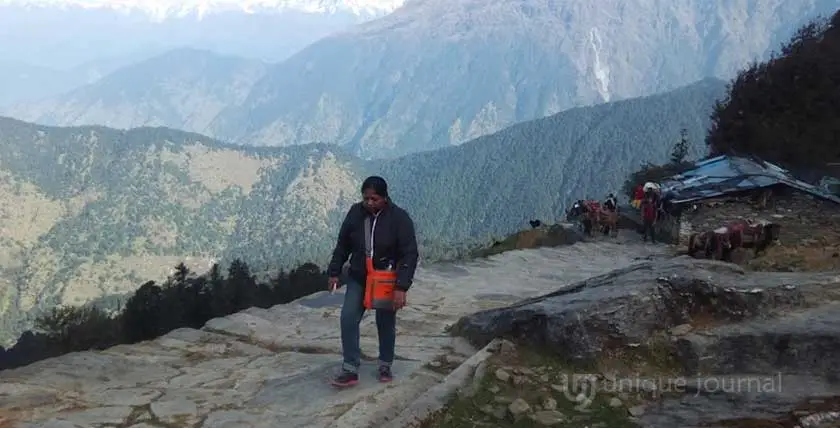
The trail passes through beautiful Himalayan forest areas, including oak and rhododendron vegetation.
Trekking Through the Himalayan Forest
One of the most memorable parts of a Bhavishya Badri journey is the forest walk.
The trail takes visitors through a peaceful Himalayan environment where tall trees, mountain slopes and changing views create a natural backdrop for the pilgrimage.
The trek is not simply a way of reaching the temple—it becomes part of the experience. Walking through the forest gives travellers time to slow down, appreciate nature and experience the quietness of the Himalayas.
Depending on the season, the forests can also provide beautiful views of blooming rhododendrons and lush mountain vegetation.
A Quiet Alternative to the Main Badrinath Route
Badrinath is one of India's most important pilgrimage destinations and attracts large numbers of devotees.
Bhavishya Badri, in comparison, remains much quieter and more secluded. This difference is one of the major attractions of the temple.
What You Can Experience
- 🌲 Peaceful Himalayan forests
- 🏔️ Mountain landscapes
- 🏘️ Traditional village environment
- 🛕 A secluded Vishnu shrine
- 🥾 Scenic trekking route
- 🙏 Deep spiritual atmosphere
Best Time to Visit Bhavishya Badri
The ideal time to visit depends on weather and local accessibility.
Spring and summer can offer pleasant trekking conditions and beautiful Himalayan scenery. The post-monsoon period can also provide clearer mountain views.
During winter, Himalayan weather can become extremely cold and accessibility may be affected by snow and road conditions.
Before travelling, it is advisable to check local weather, road conditions and the current status of the temple and trekking route.
What Makes Bhavishya Badri Special?
1. The “Future Badrinath” Legend
The prophecy connecting Bhavishya Badri with the future of Badrinath gives the temple an extraordinary place in Hindu tradition.
2. Himalayan Location
The temple is surrounded by the natural beauty of the Garhwal Himalayas.
3. Forest Trek
The final journey on foot adds an adventurous element to the pilgrimage.
4. Peaceful Atmosphere
Compared with major pilgrimage centres, Bhavishya Badri offers a quieter and more secluded experience.
5. Panch Badri Significance
As one of the Panch Badri temples, it forms an important part of the Vishnu pilgrimage tradition in Uttarakhand.
Travel Tips for Visitors
- Start your journey early in the day.
- Carry sufficient drinking water.
- Wear comfortable trekking shoes.
- Carry a light rain jacket because Himalayan weather can change quickly.
- Carry warm clothing, especially outside the summer season.
- Avoid carrying unnecessary luggage during the trek.
- Respect the temple and local customs.
- Do not litter the forest or trekking trail.
- Check current road and weather conditions before starting your journey.
- Allow enough time for the return journey.
Bhavishya Badri: A Journey of Faith and Nature
Bhavishya Badri is much more than an ancient temple hidden in the Himalayas. It is a place where faith, mythology, nature and adventure come together.
The journey from Joshimath towards Saldhar and Subhai village, followed by the forest walk to the temple, gradually takes travellers away from the busy world and into a peaceful Himalayan environment.
The legend of Bhavishya Badri adds another layer of mystery to the journey. The belief that this quiet shrine could one day become the future seat of Lord Badrinath has fascinated pilgrims for generations.
Whether you visit Bhavishya Badri as a devotee, a traveller, a photographer or someone fascinated by Himalayan history and mythology, the experience can leave a lasting impression.
Bhavishya Badri truly feels like a hidden spiritual treasure of Uttarakhand—a temple surrounded by forests, mountains and an extraordinary story about the future of Badrinath.
Frequently Asked Questions
Where is Bhavishya Badri Temple located?
Bhavishya Badri Temple is located near Subhai (Subain) village in Chamoli district, Uttarakhand, in the Himalayan region east of Joshimath.
How far is Bhavishya Badri from Joshimath?
Bhavishya Badri is approximately 17–19 km from Joshimath, depending on the route and reference point.
What does Bhavishya Badri mean?
Bhavishya Badri means “Future Badrinath.” It refers to the traditional belief that the temple will become the future abode of Lord Badrinath.
Is Bhavishya Badri part of Panch Badri?
Yes. Bhavishya Badri is one of the five traditionally recognised Panch Badri temples dedicated to Lord Vishnu.
Is there a trek to Bhavishya Badri?
Yes. After travelling by road towards the base area near Saldhar, visitors continue on foot towards Subhai and Bhavishya Badri. The walking distance is commonly described as around 3 km, although the exact distance can vary by route.
Who is worshipped at Bhavishya Badri?
The temple is dedicated to Lord Vishnu, in connection with the Badrinath tradition.