
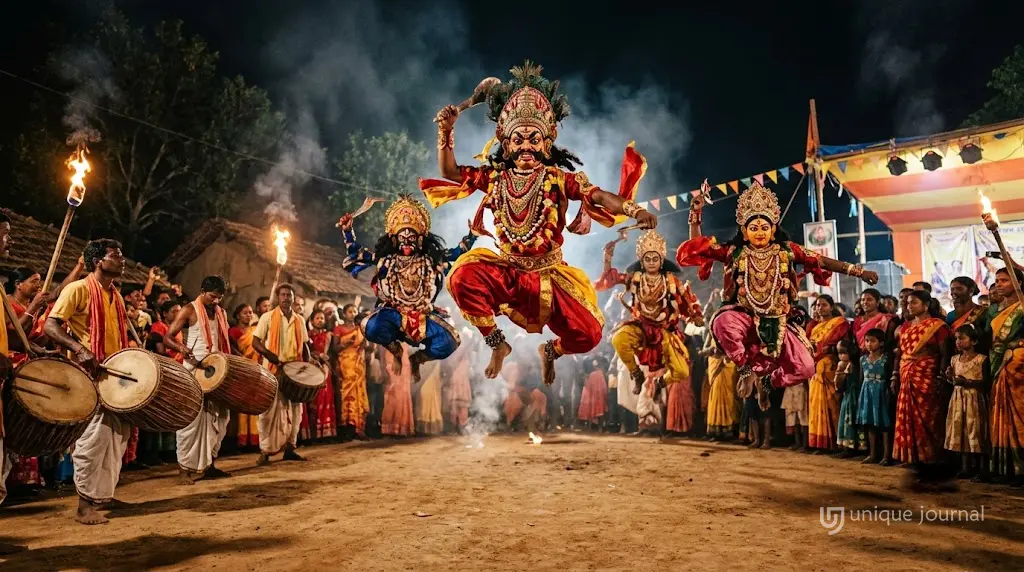
Chhau dance is one of the most spectacular folk performance traditions of eastern India. Blending martial arts, mythology, music, and mask-making, it creates a theatrical experience that is both energetic and deeply spiritual. Though often described as having three main styles, in practice four distinct regional genres are recognized across Jharkhand, Odisha, and West Bengal: Purulia, Seraikela, Kharsawan, and Mayurbhanj. In 2010, UNESCO inscribed three of these—Seraikela, Purulia, and Mayurbhanj—on its Representative List of the Intangible Cultural Heritage of Humanity. Yet the fourth genre, Kharsawan, remains an important living tradition, especially in Jharkhand’s Seraikela-Kharsawan district.
Origins and History
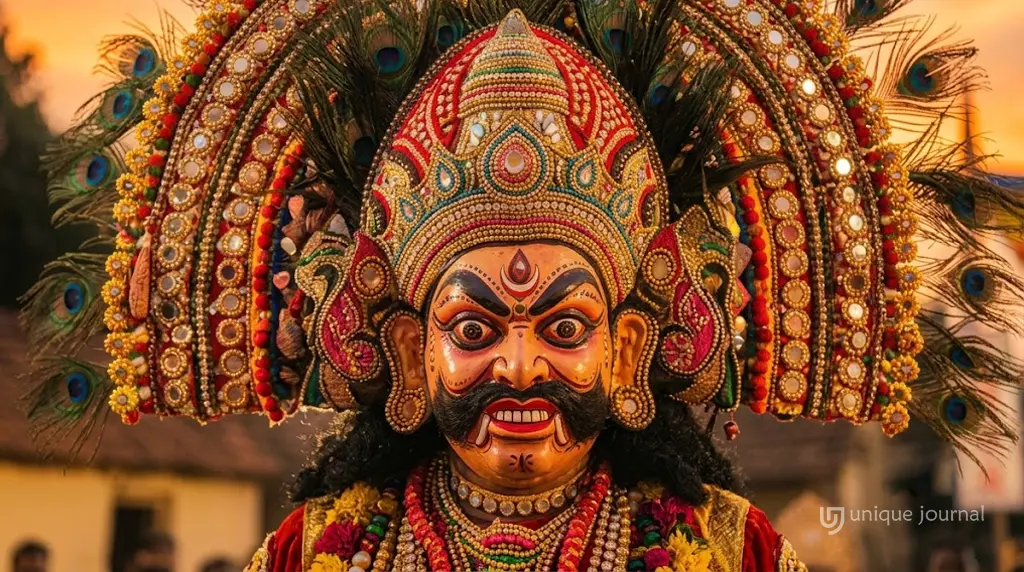
The word “Chhau” has more than one proposed origin. Some scholars link it to the Sanskrit chhaya (shadow, image or mask), while others link it to chhauni (a military camp), which reflects the dance’s roots in both mask theatre and martial training. Chhau flourished under the patronage of local rulers in the Chotanagpur region. Around 1912, Maharaja Sriram Chandra Bhanja Deo of Mayurbhanj is said to have presented Chhau in Calcutta in honour of King George V. In 1938, Kumar Bijay Pratap Singh Deo, younger brother of the Raja of Seraikela, took a troupe of Seraikela Chhau dancers to Europe. This tour helped the art form gain international recognition
The Four Genres of Chhau Dance
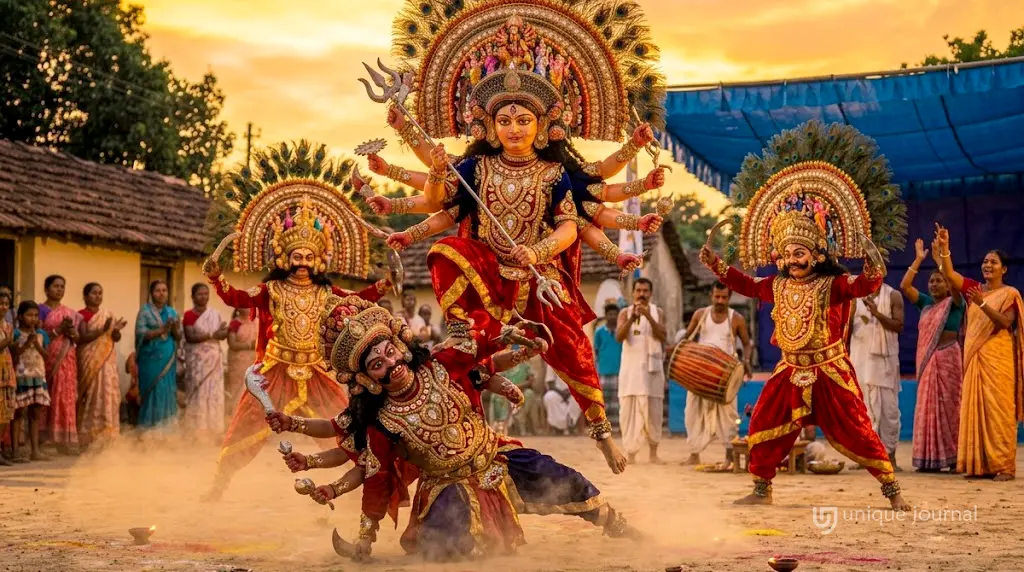
1. Purulia Chhau (West Bengal)
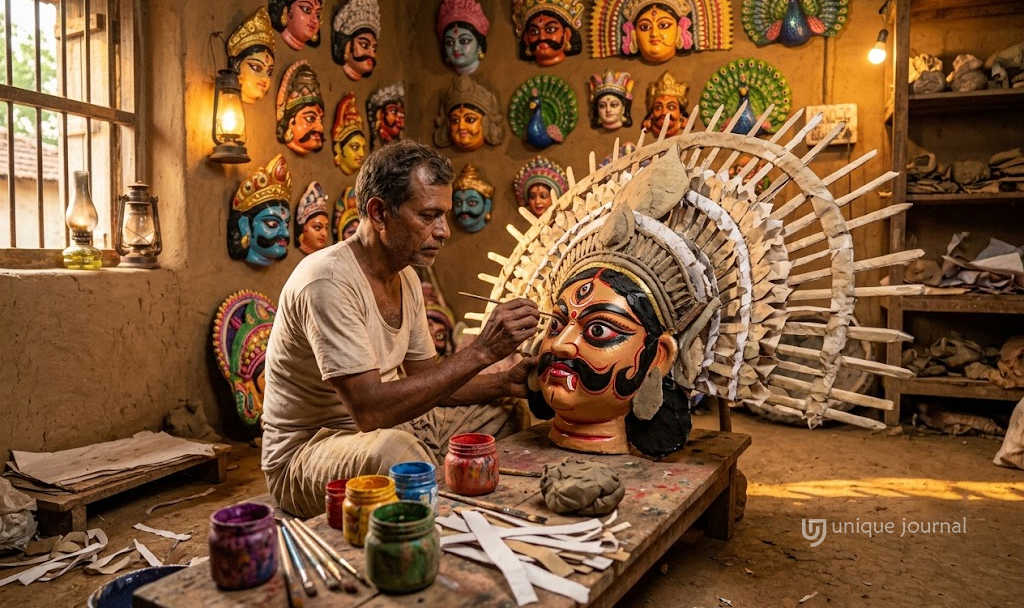
Purulia Chhau, also known as Manbhum Chhau, is famous for its large, elaborate masks made from clay, paper, and cloth. The dance is fast, powerful, and acrobatic, featuring leaps, somersaults, and energetic movements. Its themes are drawn from the Ramayana, Mahabharata, and local legends, focusing on the eternal battle between good and evil. The masks are central to the performance, giving each character a larger-than-life presence.
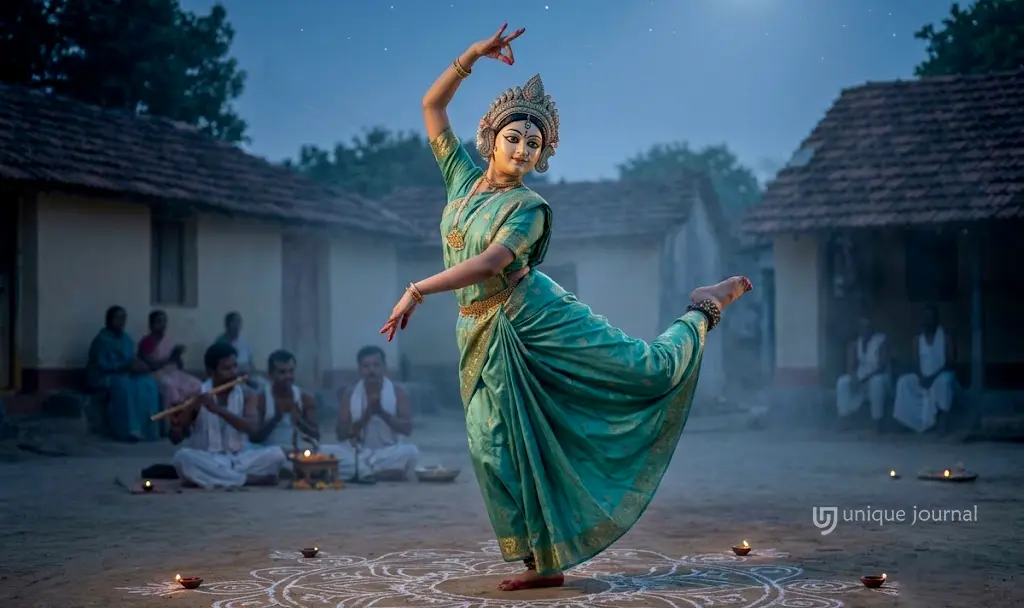
2. Seraikela Chhau (Jharkhand)
Seraikela Chhau is the most refined of the masked styles. It is a semi-classical form with stylized gestures and measured, controlled movements. Dancers wear small masks that suggest a character’s mood rather than covering the face with a large, elaborate design. The repertoire draws on Hindu epics and mythology, and also on images of nature. The form developed under the patronage of the Seraikela royal family, and Kumar Bijay Pratap Singh Deo choreographed many of the pieces still performed today.
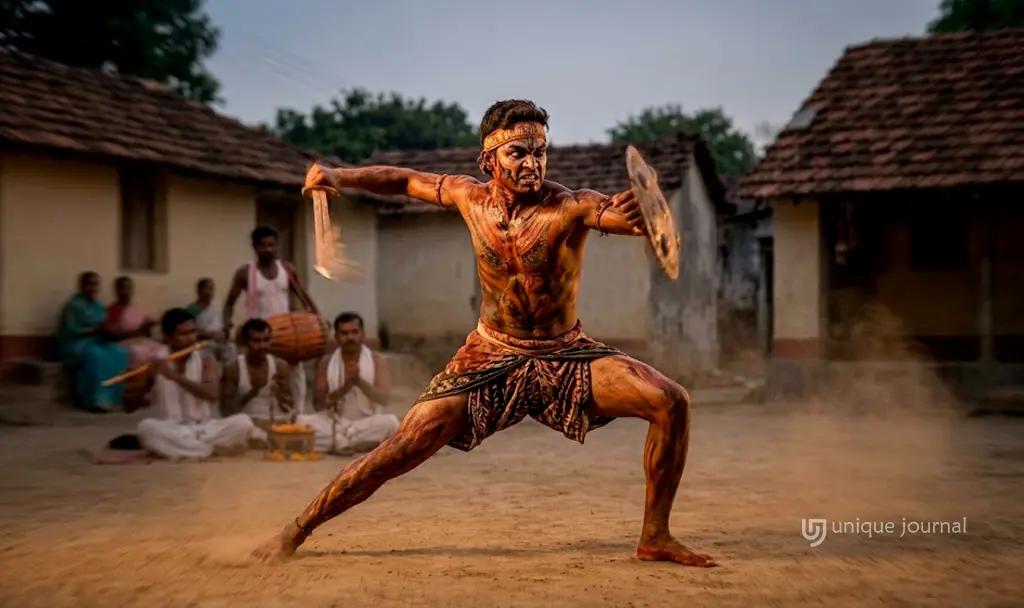
3. Kharsawan Chhau (Jharkhand)
Kharsawan Chhau is a lesser-known variant from the Seraikela-Kharsawan district of Jharkhand. Dancers perform without masks. They rely on facial expression, body movement and painted faces and bodies to portray characters. It shows the influence of neighbouring traditions, especially Mayurbhanj and Seraikela. Kharsawan is not separately listed by UNESCO, but it is a living tradition with its own annual festival.

4. Mayurbhanj Chhau (Odisha)
Mayurbhanj Chhau is performed without masks, although dancers may wear one briefly when they first enter the stage to introduce themselves. Performers depend on expressive faces and sculptural body movement. The technique is built on six basic movements (chalis or topkas) and thirty-six leaping and travelling movements (uflis). These movements are inspired by everyday activities, the behaviour of animals and birds, and martial action. Seraikela Chhau follows a comparable framework. The repertoire draws on the Ramayana, the Mahabharata, the Puranas and folk themes.
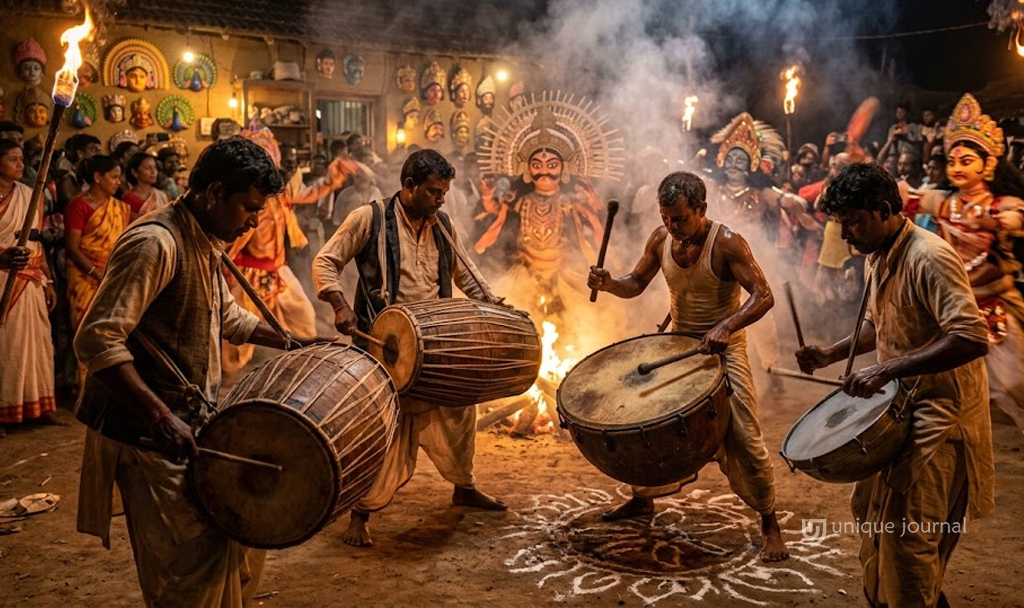
Music and Instruments
Chhau is driven by strong percussion. The main instruments are the dhol, the dhumsa (a large kettle drum) and the kharka. They are accompanied by the mohuri or shehnai, a reed wind instrument that provides the melody.
Cultural Significance
Chhau is a community tradition as well as a performance. It is closely linked to the spring festival of Chaitra Parva, especially in Odisha and Seraikela, and is performed before Maha Vishuva Sankranti in mid-April. In Purulia, performances are also associated with the Sun festival and Gajan. Chhau also keeps alive local myths, martial traditions and craftsmanship. Charida village in Purulia is famous for making Chhau masks, and the Purulia Chhau mask received a Geographical Indication (GI) tag in 2018.
Where and When to See Chhau Dance Today
| Place | State | Time | Festival / Event |
|---|---|---|---|
| Baripada | Odisha | April | Chaitra Parva |
| Baripada (Belgadia Palace) | Odisha | January | Belgadia Chhau Festival |
| Seraikela | Jharkhand | April | Chaitra Parva / Seraikela Chhau Mahotsav [verify] |
| Kharsawan | Jharkhand | April [verify] | Kharsawan Chhau Mahotsav |
| Purulia (villages) | West Bengal | Mid-April | Gajan / Chaitra festival performances |
| Purulia (Bamnia) | West Bengal | December | Chhau-Jhumur Utsav |
| Charida | West Bengal | January–February [verify] | Chhau Mask Festival |
Note: Dates change every year. Please check with local cultural organizations or tourism offices for exact schedules.
I removed Alipurduar, Bokaro and Bhubaneswar (July) because I couldn’t find supporting sources. Add them back only if you can confirm them.
Conclusion
Chhau is a living heritage of eastern India. Its main styles, Purulia, Seraikela and Mayurbhanj, along with the Kharsawan variant, each offer a different view of the region’s history, mythology and artistry. They range from the towering masks of Purulia to the maskless athleticism of Mayurbhanj. Supporting Chhau means preserving a whole ecosystem of music, craft and community identity.

