

Phalaharini Kali Puja is one of the most spiritually significant festivals dedicated to Goddess Kali in Hinduism. Celebrated on the new moon day (Amavasya) of the Bengali month of Jyeshtha, this sacred occasion is deeply associated with devotion, purification, and divine blessings.
The word “Phalaharini” means “the remover of results” or “the destroyer of karmic consequences.” Devotees believe that Goddess Kali removes the negative effects of past actions and blesses her followers with peace, spiritual growth, and liberation.
Spiritual Significance of Phalaharini Kali Puja
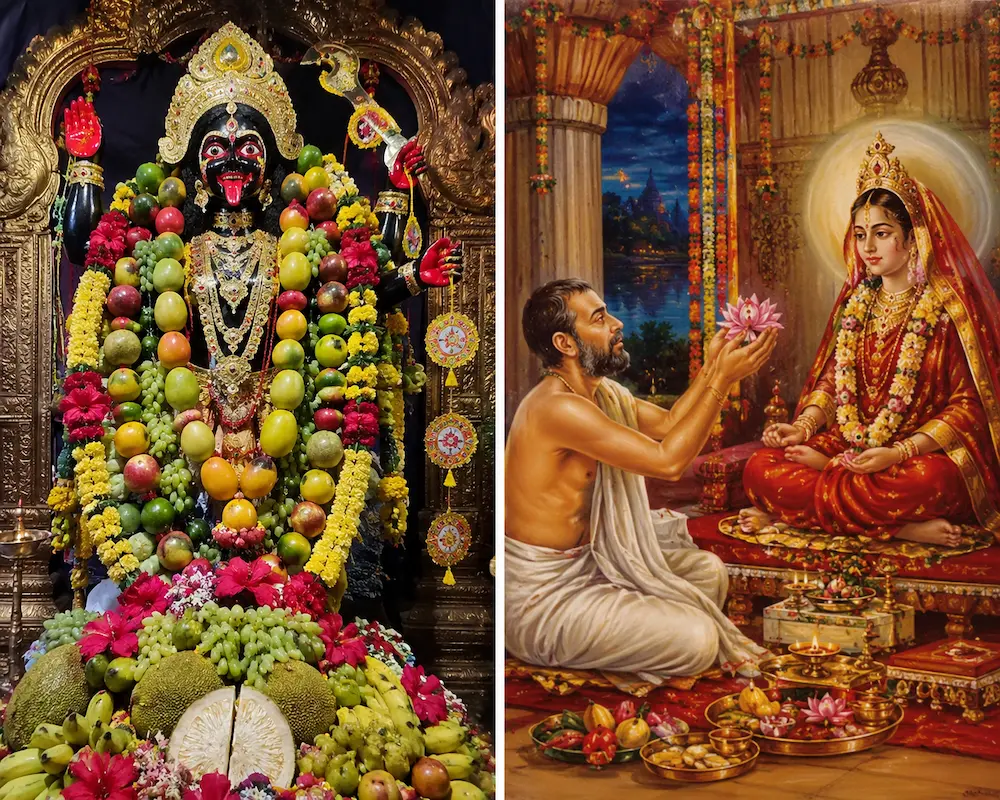
Unlike the grand Kali Puja celebrated during Diwali, Phalaharini Kali Puja carries a more spiritual and introspective essence. It is believed that worshipping Maa Kali on this night helps devotees overcome fear, suffering, obstacles, and negative karma.
Many devotees observe fasting, offer prayers, chant mantras, and spend the night in devotion to seek the blessings of the Divine Mother.
Historical Importance
Phalaharini Kali Puja holds immense importance in the Ramakrishna tradition. On this sacred night in 1872, Sri Ramakrishna Paramahamsa worshipped Holy Mother Sri Sarada Devi as the Divine Mother in the form of Shodashi during a special ritual known as the “Shodashi Puja.”
This historic spiritual event took place at Dakshineswar Kali Temple and is considered one of the most sacred moments in modern Hindu spirituality.
Even today, Ramakrishna Math and Ramakrishna Mission observes this occasion with deep devotion and special rituals.
Rituals and Offerings
Phalaharini Kali Puja is celebrated with various traditional rituals and offerings. Some of the important customs include:
- Offering seasonal fruits such as mangoes, jackfruit, litchis, bananas, and blackberries to Goddess Kali
- Decorating the deity with fruit garlands and flowers
- Performing special pujas, homa (fire rituals), and evening arati
- Chanting hymns and devotional songs throughout the night
- Distributing prasad among devotees
In famous temples like Tarapith Temple, the celebration becomes especially vibrant, attracting thousands of devotees from different parts of India.
Symbolism of Fruits in the Puja
Fruits offered during the puja symbolize purity, devotion, and surrender. Spiritually, they also represent the “fruits” of human actions or karma. By offering fruits to the Goddess, devotees symbolically surrender their ego, desires, and karmic burdens at the feet of Maa Kali.
Why Devotees Worship Maa Kali on This Day
Devotees believe that Maa Kali grants:
- Protection from negative energies
- Relief from fear and suffering
- Inner peace and spiritual strength
- Freedom from harmful karmic effects
- Divine blessings for prosperity and well-being
The dark new moon night of Jyeshtha Amavasya is considered especially powerful for spiritual practices and worship of the Divine Mother.
Conclusion
Phalaharini Kali Puja is much more than a religious festival—it is a sacred celebration of surrender, purification, and divine grace. Rooted deeply in Bengali spiritual culture and enriched by the legacy of Sri Ramakrishna and Sri Sarada Devi, this holy occasion continues to inspire millions of devotees every year.
As devotees gather to worship Maa Kali with fruits, flowers, lamps, and heartfelt prayers, the festival becomes a powerful reminder that divine compassion can remove darkness and guide humanity toward peace, wisdom, and liberation.

